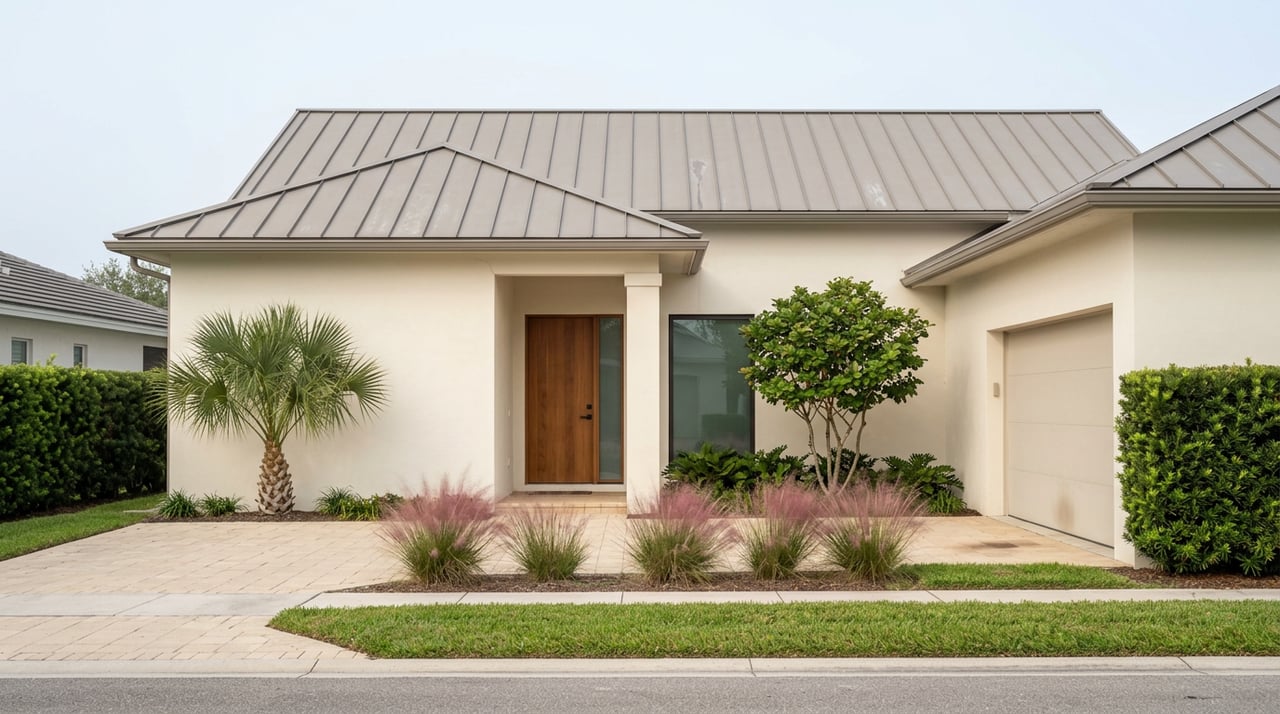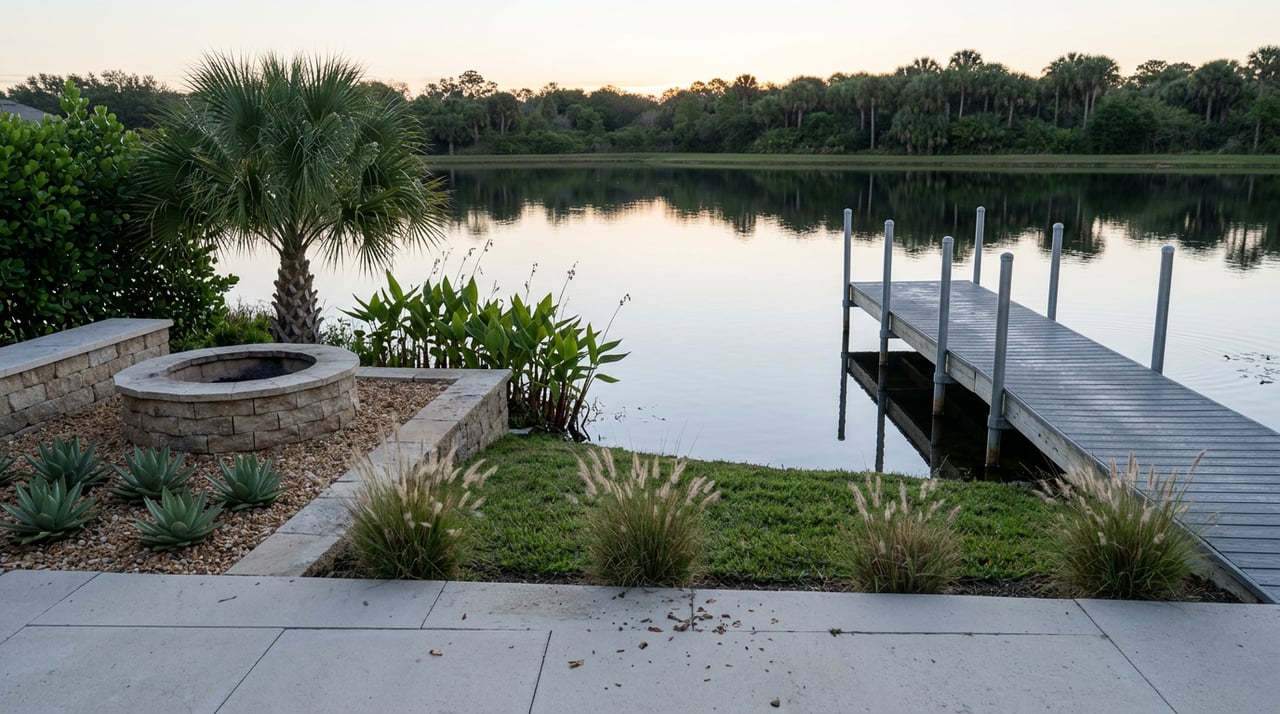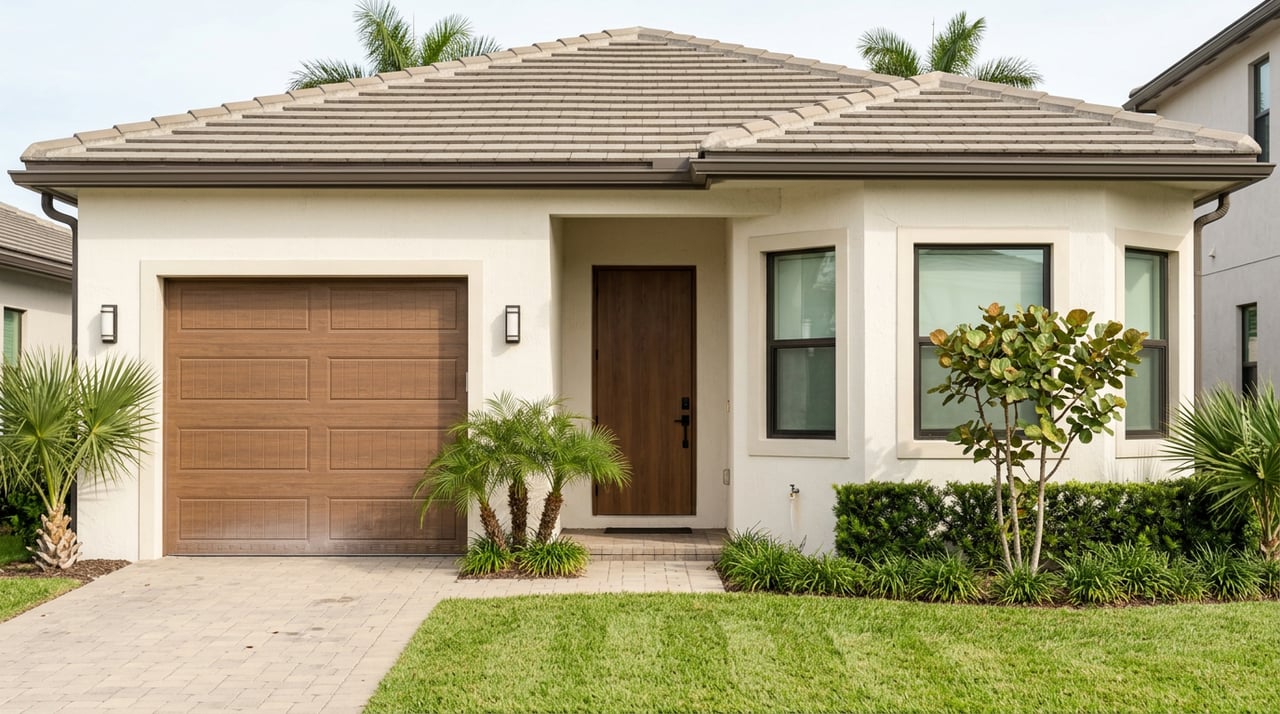
A buyer compares two listings inside North River Ranch. Same trail system, same Camp Creek amenity center a short bike ride away, same "master-planned community" language on both listing sheets. One home carries an annual assessment north of $2,700. The other sits closer to a few hundred dollars. Nothing on either listing explains why, because nothing on a listing sheet is required to.
The gap isn't a pricing error and it isn't about square footage. It's about which named neighborhood inside the master plan the home happens to sit in, and which phase of infrastructure financing that neighborhood is still paying down.
One Name, Several Neighborhoods
North River Ranch reads like a single community on a portal search, but it's built out as a cluster of separately named neighborhoods, each developed and financed on its own timeline. Longmeadow, built by Pulte, sits on one end of the fee spectrum. Crescent Creek, where David Weekley and Cardel both build, sits on another. Riverfield carries its own structure, with Lennar and David Weekley among the builders active there. Wildleaf and Brightwood round out the current build-out.
Each of these carved out its own bond financing when its roads, water lines, and amenity infrastructure went in. That financing gets repaid through the Community Development District assessment attached to every home in that specific section, not through a single community-wide rate. Two homes a half mile apart, both technically "in North River Ranch," can be paying off entirely different debt schedules.
The Fee That Actually Moves
Here's what the numbers show once you separate them by neighborhood instead of averaging them across the whole master plan: the HOA dues stay relatively modest and fairly consistent. Longmeadow's HOA runs as low as $85 to $100 a year. Riverfield's HOA lands in roughly the same range, around $100 a year. That's not the fee driving cost differences between sections.
The CDD assessment is where the real spread shows up. Across North River Ranch, annual CDD assessments range from roughly $1,700 to $3,000 or more depending on the neighborhood, and in Riverfield specifically, the CDD alone runs $2,700 to $3,000 a year. That's a difference of over $100 a month between neighborhoods carrying the same community brand, and it has nothing to do with the home's finishes or lot size. It has to do with which bond that particular section is still servicing.
Most buyers walk in asking about the HOA because that's the fee they recognize from other markets. In North River Ranch, that's the wrong question. The CDD is the number that actually separates one neighborhood's carrying cost from another's.
The Assessment Behind the Number
A CDD isn't optional and it isn't negotiable at closing. It's a special taxing district created under Florida law to fund the roads, utilities, and amenities inside the community, then repaid over time through an annual assessment on every property inside its boundary. North River Ranch's version of this, the North River Ranch Improvement Stewardship District, was established in 2020 under a Manatee County-approved special act and covers a defined footprint within the broader master plan. It carries both an annual operations and maintenance budget and a separate debt service budget tied to the infrastructure bonds already issued.
That structure matters for a practical reason: the debt service portion has a payoff date. Ask what year a specific neighborhood's bond is scheduled to retire, and you're asking a question that actually changes your long-term carrying cost, not just your first-year budget.
The listing sheet says North River Ranch. The tax bill says which section of it you actually bought into.
Why Resale Homes Sit Longer Here
There's a second piece of this that most comparisons miss entirely. As of June 2026, resale homes in North River Ranch were averaging around 242 days on market, compared with a national average closer to 58 days. That's not a sign the community is unpopular. It's a sign resale sellers here are competing against something a typical resale market doesn't have to contend with. Five builders are currently selling new construction inside North River Ranch itself, and Parrish as a whole counts more than 70 active builders spread across its competing master-planned communities. A resale listing here isn't just up against the next resale listing. It's up against a design center down the street and a dozen more within a short drive.
Those builders aren't cutting base prices in the current market. They're leaning on rate buydowns, closing cost credits, and design center packages instead, the kind of incentive a resale seller has no mechanism to match. A buyer weighing a resale home against a quick-move-in new build isn't just comparing square footage and finishes. They're comparing a fixed CDD assessment on the resale side against a builder incentive that might offset thousands of dollars in year-one costs on the new-construction side. Skip that comparison and the resale home looks overpriced for reasons that have nothing to do with the home itself.
What the Fort Hamer Road Project Changes, and When
Worth knowing before locking in a long hold period: a $190.5 million project to widen Fort Hamer Road to four lanes and add a new Manatee River bridge is planned for the corridor that connects North River Ranch to Bradenton and I-75. Construction is expected to begin in 2028, so this isn't a near-term commute improvement. It's a factor for anyone thinking about appreciation over a five to ten year hold rather than next year's drive time.
A buyer planning to sell in two years shouldn't weight this heavily. A buyer planning to stay through the next decade should at least know it's on the calendar.
Before You Write an Offer
A few questions worth asking before comparing two North River Ranch listings side by side:
- Which named neighborhood is this home actually in, not just which master plan
- What is the current annual CDD assessment for that specific neighborhood, and is it O&M only or does it include debt service
- What year is the bond scheduled to retire, if there is one
- Has the HOA increased in the past two years, and by how much
- If comparing to new construction, what incentive is the builder currently offering on a comparable floor plan, and how does that offset the CDD difference
A Few Questions That Come Up Early
Is the CDD the same as the HOA? No. The HOA funds day to day maintenance of common areas and amenities. The CDD is a separate assessment tied to bond-financed infrastructure like roads and utilities, and it shows up on the property tax bill rather than as a monthly HOA invoice.
Does the CDD assessment go away eventually? The debt service portion does, once the bond for that neighborhood's infrastructure is paid off. The operations and maintenance portion typically continues for as long as the district exists.
Does every neighborhood in North River Ranch carry the same CDD rate? No, and that's the point. Rates are set per neighborhood based on that section's specific financing, which is exactly why two homes under the same community name can carry noticeably different annual costs.
The number on the listing sheet only tells part of the story here. If you're comparing homes across North River Ranch's different neighborhoods, or weighing a resale purchase against new construction inside the same gates, it's worth getting the actual fee schedule and bond timeline in front of you before you're deep into a contract. Polachek Properties can pull that comparison together and walk you through what it means for your specific budget. Schedule a Consultation to start that conversation.